Powell Said Stocks Are Pricey. The Market Is Still Counting.
Jerome Powell called equity prices “fairly highly valued.” Six words.
Jerome Powell called equity prices “fairly highly valued.” Six words. He said them while he was still Federal Reserve chair, and they have aged badly for anyone hoping they were a passing remark.
The words were careful. That is the point. A Fed chair does not usually volunteer an opinion about stock prices. Powell did, in a measured response about financial conditions.
“equity prices are fairly highly valued.”, Jerome Powell
The number that does the talking
The Shiller price-to-earnings ratio, also called the CAPE ratio, compares inflation-adjusted earnings over ten years with stock prices. It is slow, blunt, and not built for market timing.
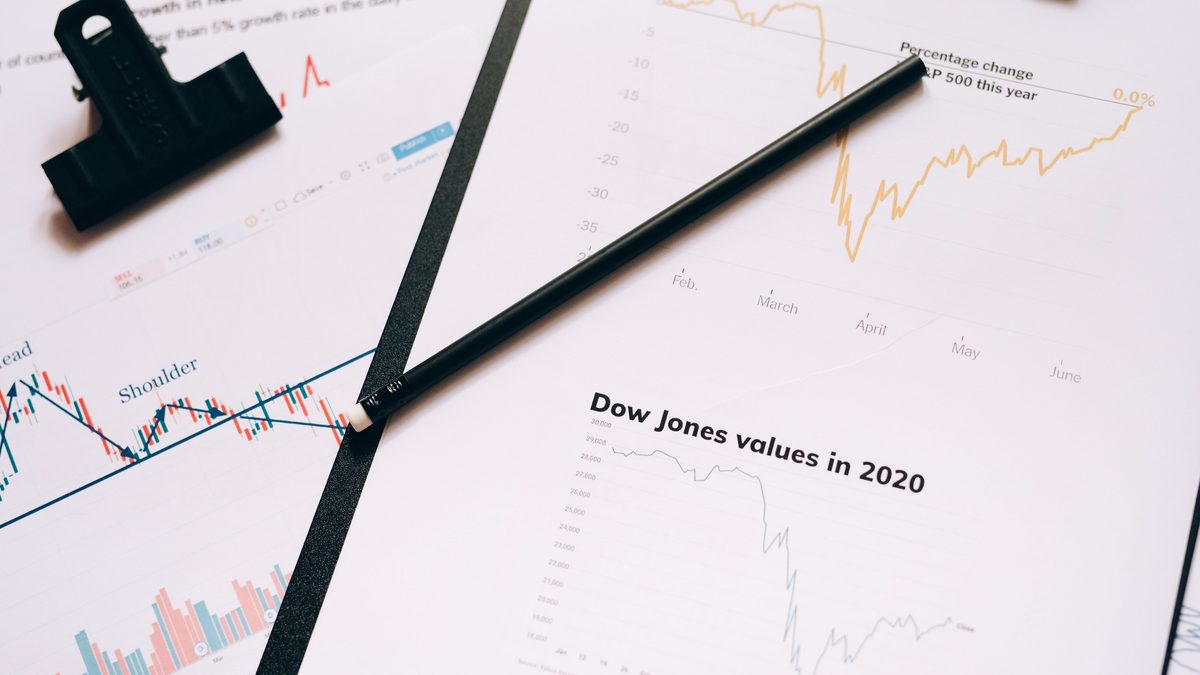
Over the last 156 years, it has averaged 17.42. As of the close on Oct. 12, it was approaching 42.
That is not a rounding error. It is nearly two and a half times the long-run average. The all-time high was 44.19, set three months before the dot-com bubble burst.
I have seen markets talk themselves into higher numbers. In 1999, the story was the internet. In 2007, it was housing and credit. The story changes. The arithmetic tends not to.
What history says, and what it does not
The CAPE ratio has risen above 30 during a continuous bull market six times over the last century, including now. The prior five episodes all ended with the Dow Jones Industrial Average, S&P 500, and/or Nasdaq Composite falling between 20% and 89%.
Those are uncomfortable numbers. They are also not a schedule.
A high CAPE does not tell you when a decline starts. It does not tell you whether the decline is 20% or 89%. It tells you that the starting price leaves less room for disappointment. That distinction matters.
The dot-com era is the obvious comparison. The ratio reached 44.19 near the top. The market then spent years correcting what had been priced in as certainty.
But 2000 is not a template. Interest rates, corporate earnings, technology adoption, and the composition of the index have all changed. A valuation measure can be stretched without producing an immediate collapse.
Powell is no longer chair
Kevin Warsh officially succeeded Powell as Fed chair on May 22, 2026. The Federal Reserve says Warsh took office that day for a four-year term.
Powell remains a Fed governor. That gives his comment a longer shelf life than an ordinary farewell remark. He is no longer setting policy, but he is still inside the building.
The timing is worth noting. A new chair takes over with markets near record valuations. Whatever Warsh says about rates, inflation, or financial conditions will be read against a market that already carries very little margin for error.
What the market is pricing
A CAPE near 42 means investors are paying a high price for each dollar of long-run, inflation-adjusted earnings. That can be justified if earnings grow fast, rates stay supportive, and nothing breaks.
It can also be justified the way every expensive market justifies itself: this time, the winners are different; the technology is real; the old measures do not fit.
Some of that may be true. Artificial intelligence, cloud computing, and large-scale software have created real profits for real companies. The question is not whether the technology exists. The question is whether today’s prices already assume too much of the future.
That is where Powell’s phrasing earns its keep. He did not say stocks would fall. He did not say a bubble had arrived. He said prices were “fairly highly valued.”
That is central-bank language for: the market is asking a lot.
The uncomfortable part
Markets can stay expensive for years. They can also reprice in weeks. The historical record around CAPE readings above 30 does not settle that question; it only makes complacency harder to defend.
What would concern me is not one valuation statistic. It is the combination: a measure near its historical peak, a former chair publicly noting the issue, and a new Fed chair inheriting the problem.
Alan Greenspan once warned about “irrational exuberance” years before the dot-com bust. The warning was early. It was not wrong.
Powell’s six words may prove early too. They may also prove more accurate than anyone wants. The market has heard the warning. The next question is whether it can afford to ignore it.